
For decades, tattoos were viewed through the lens of rebellion or subculture. But today, a deeper truth is emerging: getting tattooed is often an act of psychological healing, self-reclamation, and radical self-love.
Beyond the aesthetics, the needle has the power to transform how we see ourselves. Here is the psychology behind why we ink.
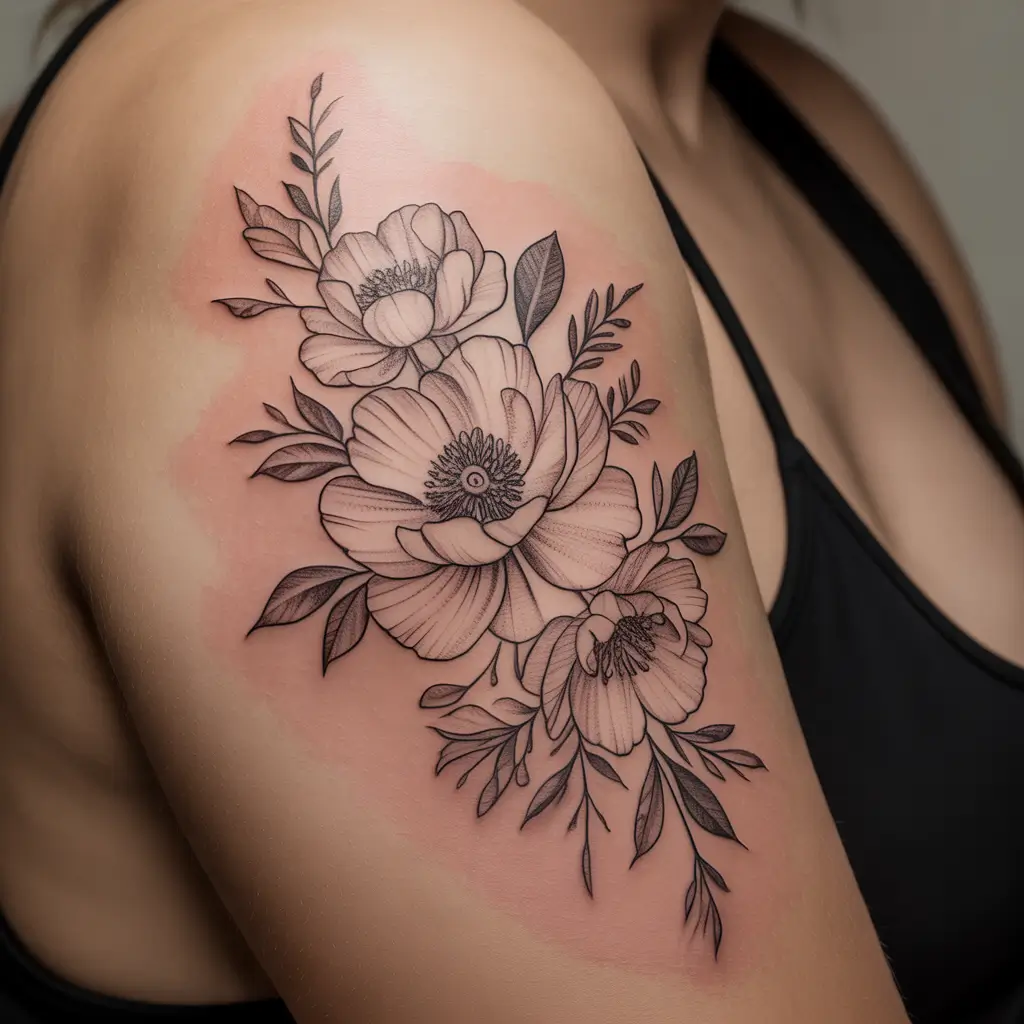
1. Reclaiming Ownership: The Body as a Canvas
For many, a tattoo is the first time they truly feel in control of their physical self. This is especially true for survivors of trauma or illness.
Studies show that "reclamation tattoos"... pieces chosen to cover scars or mark the end of a difficult life chapter... help individuals regain a sense of agency. By choosing what goes on their skin, they are moving from a state of "something happened to me" to "I choose what I become."
2. The Healing Power of "Recovery Ink"
Tattooing is increasingly being recognized as a secondary form of therapy, particularly for covering self-harm scars or mastectomy scars.
- From Pain to Purpose: The controlled physical sensation of the needle can act as a cathartic release. It transforms a site of past pain into a site of future beauty.
- The Mirror Effect: When a person looks in the mirror and sees a piece of art instead of a scar that triggers a traumatic memory, their daily internal monologue changes. It is a permanent, visual reminder of resilience.

3. Boosting the "Internal Compass"
Does ink actually make you more confident? The data says yes. Research into body appreciation shows that people often report higher levels of self-esteem and body satisfaction immediately after getting a new piece.
Tattoos act as visual anchors. They are manifestations of our internal values... whether it’s a tribute to a loved one, a symbol of a personal philosophy, or simply a style that makes us feel more "us." In a world that constantly changes, a tattoo is a permanent declaration of who you are.
4. Technical Considerations for Healing Scars
If you are considering a tattoo as part of your healing journey, there are a few technical things to keep in mind:
- Maturity Matters: Scars usually need to be at least 1 year old before they can be safely tattooed. Deeper tissue may need more time to ensure the ink stays crisp.
- The Texture Challenge: Tattooing over scar tissue feels different and can be more sensitive. It’s vital to choose an artist who has specific experience with skin texture.
Your Story, Your Skin
A tattoo is more than just ink in the skin. It’s a milestone. It’s a shield. It’s a memory you can’t misplace.
Whether you’re looking to mark a victory or reclaim your story, I'm here to help you design a piece that resonates with who you are.